Women of Africa's Independence Era
As one African country after another won its freedom from the late 1950s onward, women were on the front lines of every movement. They organised rallies, smuggled messages, and sat at negotiating tables. Then many of them watched the new governments forget their contribution. These are the women who made independence possible.
22 women from the Independence era
 Independence
Andrée Blouin
A Pan-African organizer from the Central African Republic who turned the death of her small son, denied malaria medicine reserved for Europeans, into a fight that helped free Guinea and put her at Patrice Lumumba's side in Congo.
 Independence
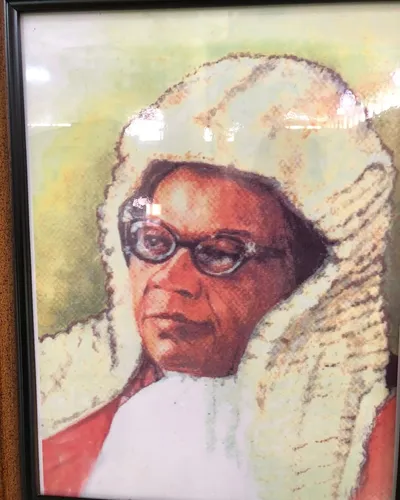
Annie Jiagge
Ghanaian jurist who became the first woman judge in the Commonwealth of Nations and the principal drafter of the 1967 UN declaration that grew into CEDAW, the world's bill of rights for women.
 Independence
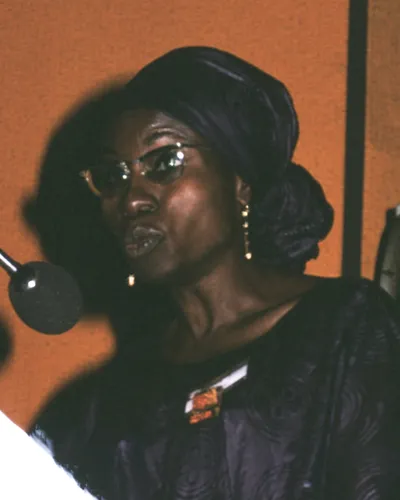
Aoua Keita
Malian midwife, politician, and activist who became the first woman elected to Mali's National Assembly. Campaigned for women's suffrage, healthcare, and independence from France.
 Independence
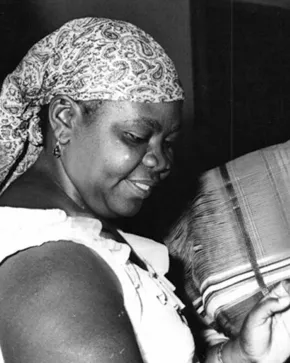
Bibi Titi Mohammed
The Dar es Salaam singer who talked thousands of women into joining Tanganyika's independence movement, helped found a nation, then was erased from its story after a treason trial, until historians restored her name.
 Independence
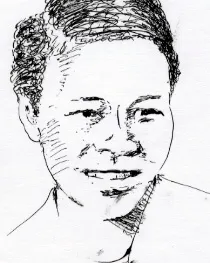
Carmen Pereira
PAIGC political commissar who commanded the southern front of Guinea-Bissau's liberation war and, in May 1984, became the first woman ever to act as head of state of an African country.
 Independence
Deolinda Rodrigues
Angolan revolutionary, poet and translator who corresponded with Martin Luther King Jr., co-founded the MPLA's women's organisation, marched with the guerrilla Camy Squadron, and was captured and executed at 29. Angola marks Women's Day on the date of her capture.
 Independence
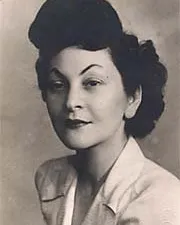
Djamila Bouhired
Algerian resistance fighter of the Battle of Algiers whose torture and death sentence became a global scandal that helped expose the brutality of French colonial rule. She walked free as Algeria won independence and remains one of the revolution's most enduring faces.
 Independence
Doria Shafik
The Egyptian philosopher and publisher who stormed parliament with 1,500 women and starved herself until Egypt promised women the vote, then was erased from history for defying Nasser.
 Independence
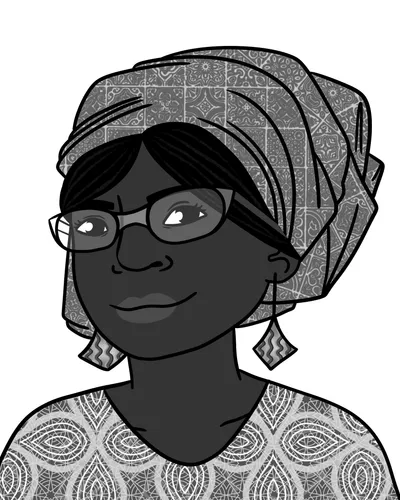
Flora Nwapa
First African woman novelist published in Britain (Efuru, 1966). Founded Tana Press and served as commissioner; called the 'Mother of Modern African Literature'.
 Independence
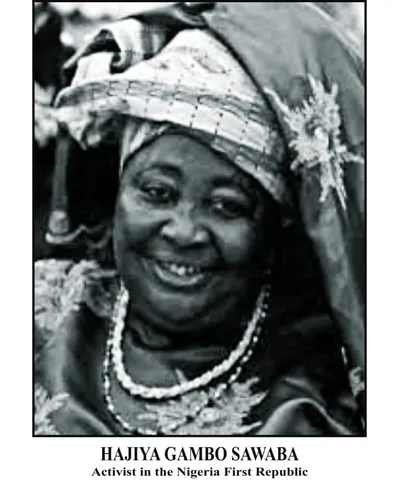
Gambo Sawaba
Nigerian activist who fought for women's right to vote in Northern Nigeria at enormous personal cost, arrested over 17 times and imprisoned repeatedly for defying the political establishment.
 Independence
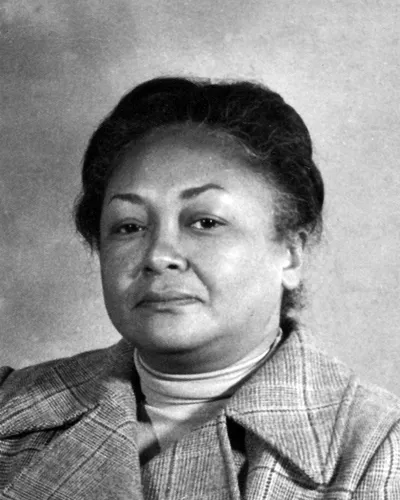
Gisèle Rabesahala
Madagascar's pioneering stateswoman: at 17 she joined the nationalist struggle, at 27 became the first Malagasy woman to lead a political party, and in 1977 became the country's first woman government minister.
 Independence
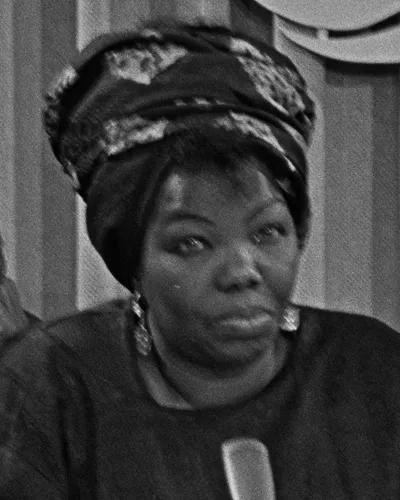
Jeanne Martin Cissé
Guinean teacher and diplomat who became the first woman ever to preside over the United Nations Security Council, took delivery of 100,000 petitions against apartheid, and served her country from the classroom to the cabinet until a coup swept it all away.
 Independence
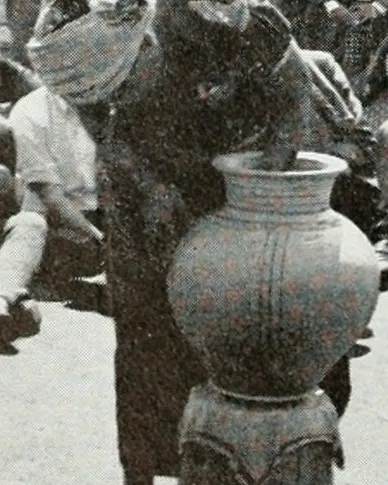
Ladi Kwali
Gbagyi master potter who carried Nigerian hand-building tradition onto the world stage. The first woman at the Abuja Pottery Training Centre, an MBE, an NNOM holder, and the only woman on a Nigerian banknote.
 Independence
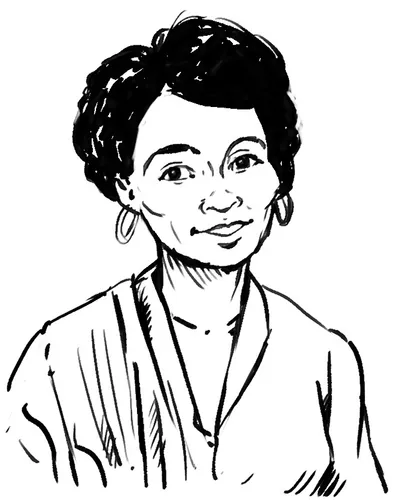
Margaret Ekpo
Nigerian women's rights activist and pioneer politician who mobilised thousands of women in Eastern Nigeria during the independence era, breaking into a political system designed to exclude them.
 Independence
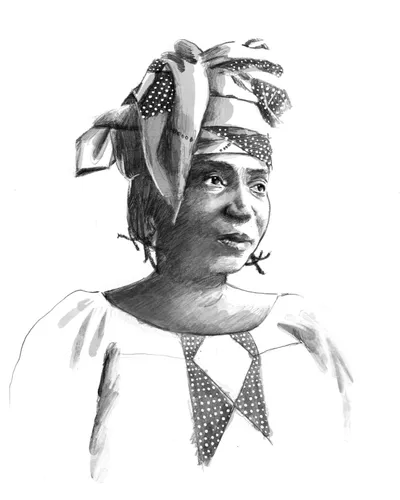
Mariama Bâ
Senegalese novelist and feminist whose novel So Long a Letter became a landmark of African women's writing. Teacher and advocate for women's education and equality.
 Independence
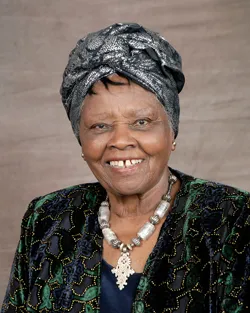
Muthoni Kirima
The only woman to reach the rank of Field Marshal in Kenya's Mau Mau uprising, who fought British colonial rule from the forests of Mount Kenya. She spent the rest of her life demanding that her country honour the freedom fighters it chose to forget.
 Independence
Muthoni Likimani
Kenyan writer, broadcaster, and Mau Mau supporter who documented the untold stories of women in Kenya's independence struggle through her groundbreaking book 'Passbook Number F.47927'.
 Independence
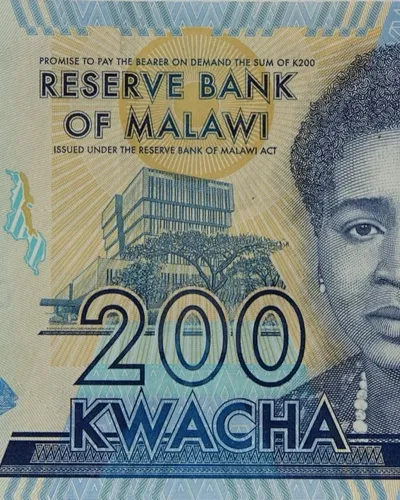
Rose Chibambo
Malawian independence activist and politician who was a founding leader of the Malawi Congress Party, mobilising women across the country in the fight against British colonial rule.
 Independence
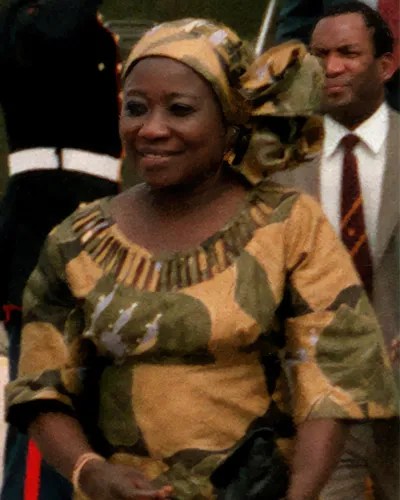
Sally Mugabe
First wife of Robert Mugabe; teacher and activist who supported the liberation struggle from exile. First Lady of Zimbabwe (1980–1992); advocated for refugees and education.
 Independence
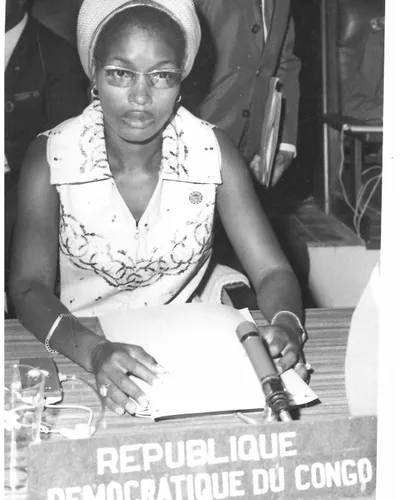
Sophie Kanza
Sociologist and stateswoman who became the first Congolese woman to earn a university degree and, at twenty-six, the first woman ever to hold government office in the DRC, before rising to senior leadership at UNESCO.
 Independence
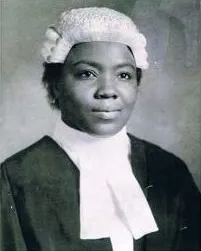
Vera Chirwa
Malawian lawyer and human rights activist. Co-founded the Malawi Congress Party; imprisoned for over a decade under Banda; later UN Special Rapporteur on prisons.
IndependenceWambui Otieno
Kenyan freedom fighter and women's rights advocate who fought in the Mau Mau uprising as a teenager, later becoming a fierce defender of women's property and inheritance rights.