Southern African Women Who Shaped History
Twenty thousand women marched on Pretoria in 1956 and told the apartheid government that when you strike a woman, you strike a rock. Southern Africa's women fought pass laws, led liberation movements, and then took seats in the parliaments they helped create. Their stories run from Zimbabwe's spirit mediums to South Africa's courtrooms.
43 women from Southern Africa
 Modern
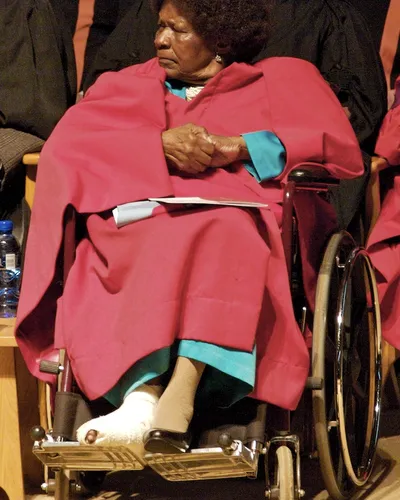
Adelaide Tambo
South African anti-apartheid activist and wife of ANC president Oliver Tambo. While her husband led the ANC in exile, Adelaide was an activist and organiser in her own right, supporting liberation networks, raising her children alone under constant pressure, and dedicating her life to the freedom of her people.
 Modern
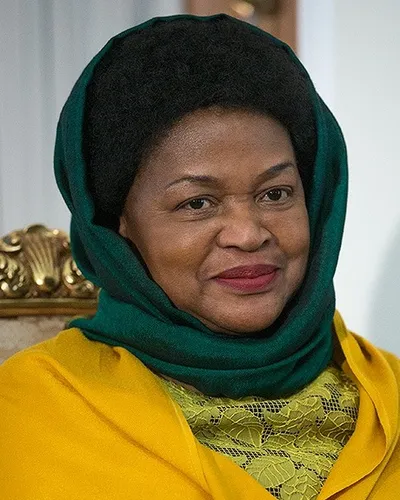
Albertina Sisulu
South African anti-apartheid activist and nurse who kept the resistance alive while her husband Walter Sisulu was imprisoned for 26 years alongside Nelson Mandela. She was banned, arrested, and surveilled for decades, and never stopped.
 Modern
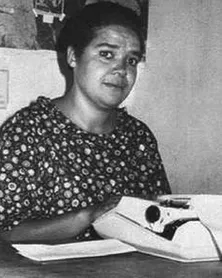
Baleka Mbete
South African politician and poet. ANC veteran; first woman Speaker of the National Assembly; Deputy President; advocate for women's representation and the arts.
 Modern
Bessie Head
South African-born writer who spent her adult life as a refugee in Botswana and wrote some of the most powerful African novels of the 20th century. Her books explore race, mental illness, exile, and the search for belonging with a rawness that no one who reads them forgets.
ModernBrenda Fassie
South African pop icon known as 'MaBrrr' and the 'Madonna of the Townships.' Her hit 'Weekend Special' (1983) broke barriers as the first Black South African pop song to chart internationally. She was a voice of anti-apartheid resistance and lived openly in a conservative society.
 Contemporary
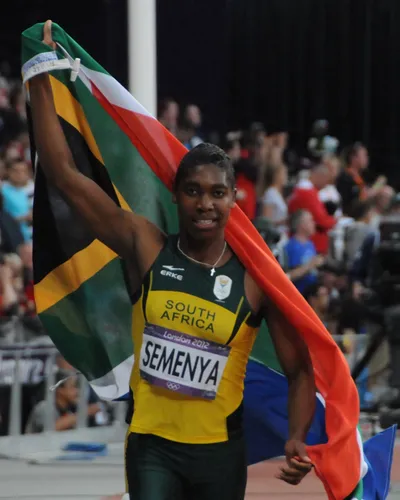
Caster Semenya
South African middle-distance runner who won Olympic gold in the 800m at Rio 2016 and is a two-time World Champion. She has been forced to fight World Athletics testosterone regulations and has become a global symbol of bodily autonomy and the right of women athletes to define themselves.
 Colonial
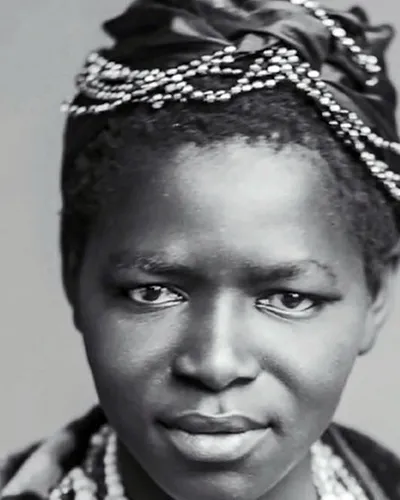
Charlotte Maxeke
First Black South African woman to earn a university degree. Founded the Bantu Women's League and fought pass laws. Called the 'Mother of Black Freedom in South Africa'.
 Colonial
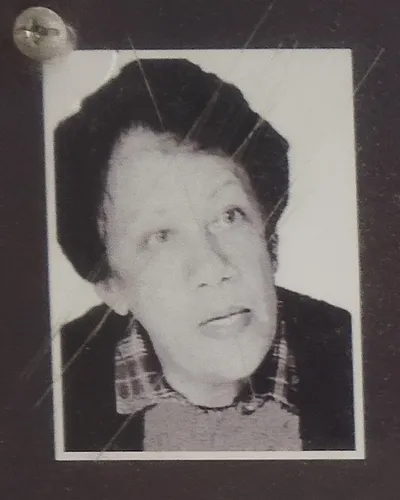
Dulcie September
South African anti-apartheid activist. ANC representative in France; assassinated in Paris in 1988; symbol of the regime's reach and of international solidarity with the struggle.
 Colonial
Ellen Kuzwayo
South African teacher, social worker, and activist. President of the Black Consumer Union; accused in the Treason Trial; author of Call Me Woman; champion of Black women's voices.
 Contemporary
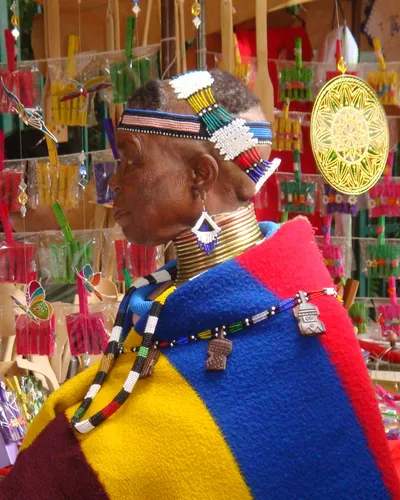
Esther Mahlangu
South African Ndebele artist who learned to paint murals at ten with chicken feathers, and in 1991 became the first woman and first African to paint a BMW Art Car, carrying her people's geometric patterns from a village wall to museums around the world.
ModernFatima Meer
South African sociologist and anti-apartheid activist who built solidarity between Indian and African South Africans, was banned, detained and firebombed for her defiance, and wrote Nelson Mandela's first authorised biography.
 Modern
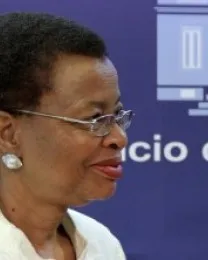
Graça Machel
Mozambique's first Minister of Education, international advocate for children and women, and the only woman to have been First Lady of two nations (Mozambique and South Africa).
 Colonial
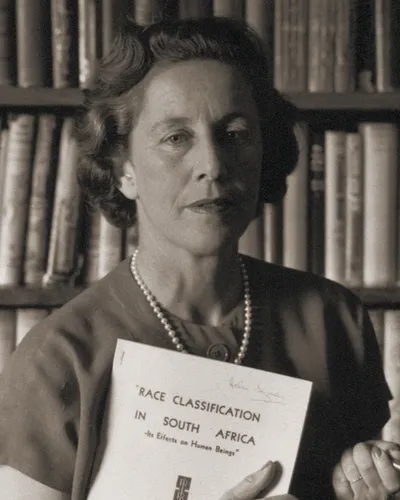
Helen Suzman
South African MP who was for 13 years the sole parliamentary voice against apartheid. Twice nominated for the Nobel Peace Prize; visited political prisoners including Mandela.
 Modern
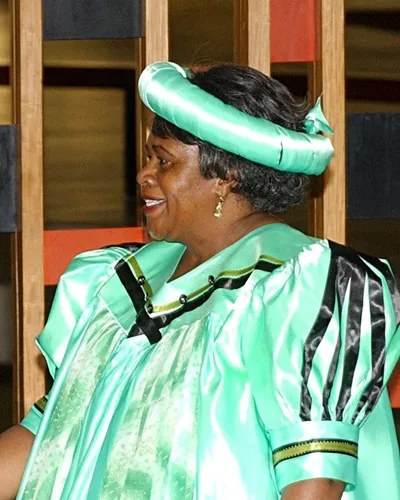
Inonge Mbikusita-Lewanika
Zambian politician and diplomat. MP and minister; Ambassador to the US and to Ethiopia; advocate for women's rights and multiparty democracy in Zambia.
 Colonial
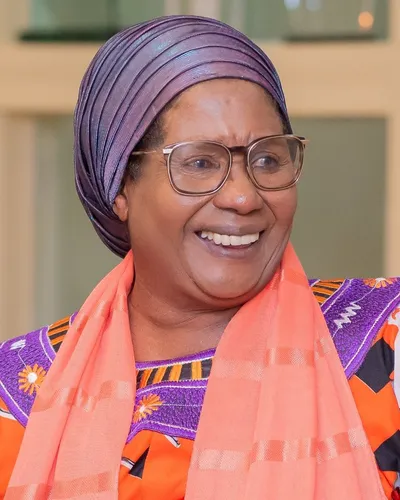
Josina Machel
Mozambican revolutionary and women's rights activist who organised women within FRELIMO's liberation struggle, creating social programmes for orphans and displaced women during the war for independence.
 Contemporary
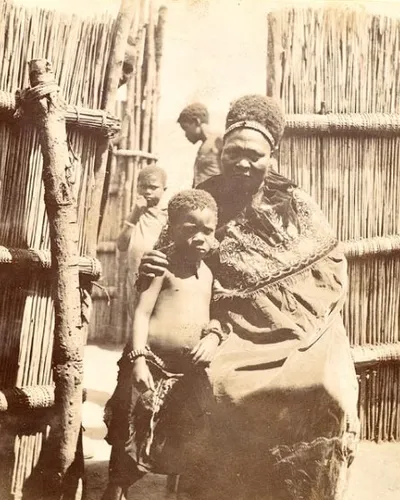
Joyce Banda
Malawian politician who became the first female president of Malawi and only the second female head of state in African history. She rose from humble beginnings to lead a country through a genuine economic crisis, and never stopped fighting for women and girls.
 Colonial
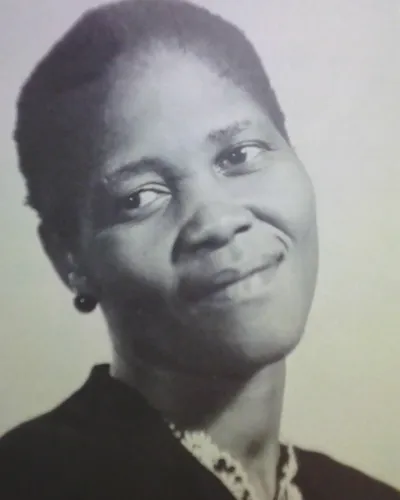
Labotsibeni Gwamile Mdluli
The formidable queen regent known as Gwamile, 'the indomitable', who ruled Swaziland through its harshest colonial decades, financed early Black South African nationalism, and preserved the monarchy for her grandson Sobhuza II.
 Colonial
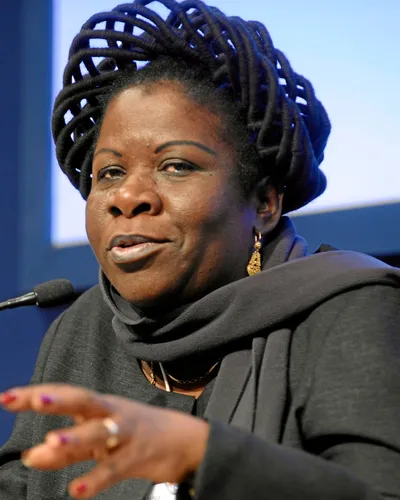
Lilian Ngoyi
Anti-apartheid leader who became the first woman elected to the ANC executive. Led the 1956 Women's March against pass laws and was tried in the Treason Trial.
 Modern
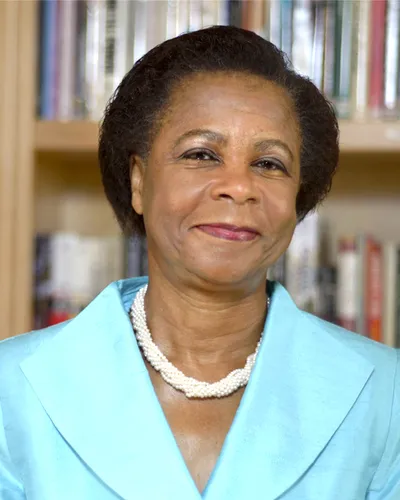
Luisa Diogo
Mozambique's first female Prime Minister (2004–2010). Economist who led post-war economic policy and debt relief; one of Africa's most prominent female heads of government.
 Contemporary
Mamphela Ramphele
South African doctor, academic, activist, and former World Bank Managing Director. She was the life partner of Steve Biko, survived apartheid harassment and banishment, and went on to become one of the most accomplished South African women of her generation.
Pre-ColonialManthatisi
Warrior queen and regent of the Batlokwa who led tens of thousands through the upheaval of the Difaqane, becoming the most feared military leader in the southern African interior. Legend turned her into a one-eyed giant; history records a shrewd ruler who once bluffed an entire army into retreat.
 Modern
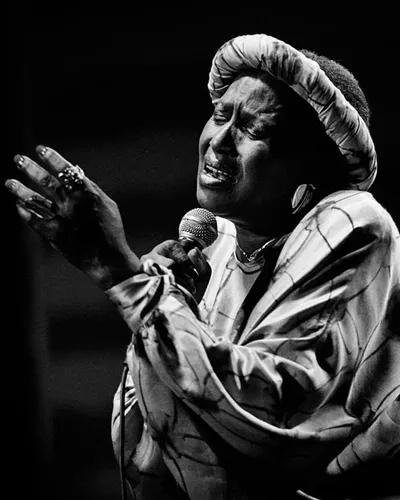
Miriam Makeba
South African singer and activist known as 'Mama Africa' who used music as a weapon against apartheid, addressed the United Nations, and was exiled from her homeland for 31 years.
 Modern
Miriam Tlali
The first Black South African woman to publish a novel inside South Africa, whose banned books about township life under apartheid opened the door for generations of Black women writers.
 Colonial
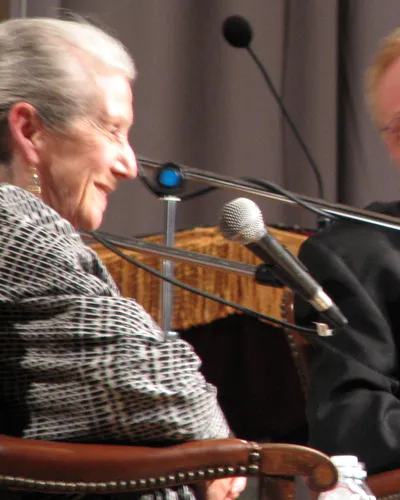
Nadine Gordimer
South African novelist and short-story writer. Nobel Prize in Literature (1991); used her work to oppose apartheid and to explore race, power, and moral responsibility.
 Colonial
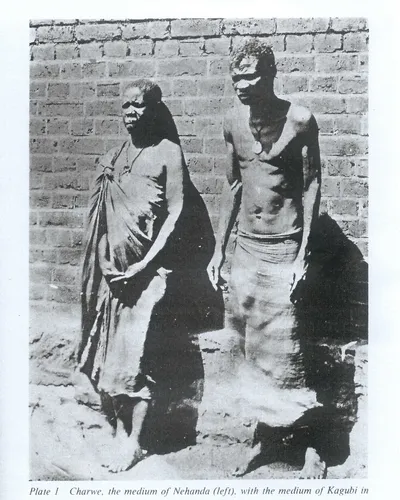
Nehanda Charwe Nyakasikana
Zimbabwean spirit medium and revolutionary leader who commanded the First Chimurenga uprising against British colonisation. Her last words, 'my bones will rise,' became the rallying cry of Zimbabwe's independence movement 80 years later.
 Contemporary
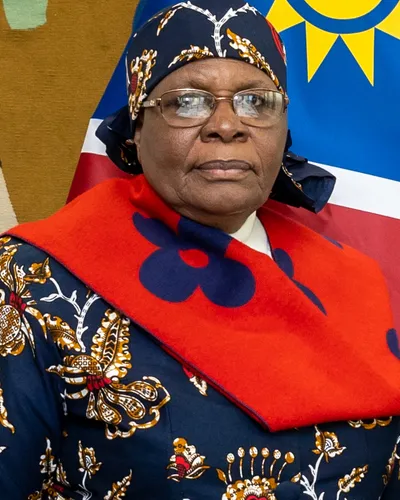
Netumbo Nandi-Ndaitwah
Namibian freedom fighter and veteran diplomat, known simply as NNN, who joined SWAPO at 14, survived arrest and exile under apartheid rule, and in March 2025 became Namibia's first female president, leading a country where women also held the vice presidency and the Speaker's chair.
 Contemporary
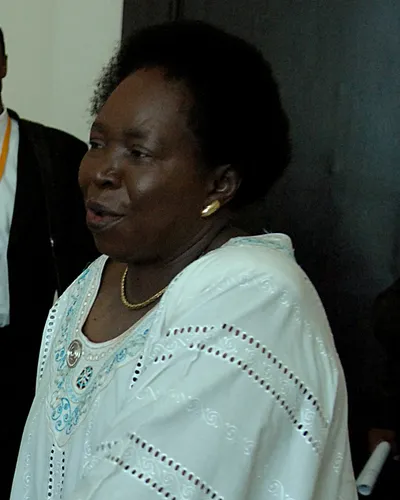
Nkosazana Dlamini-Zuma
South African politician and physician who served as the first woman Chairperson of the African Union Commission, having previously led South Africa's transformation of its healthcare system as Minister of Health.
 Colonial
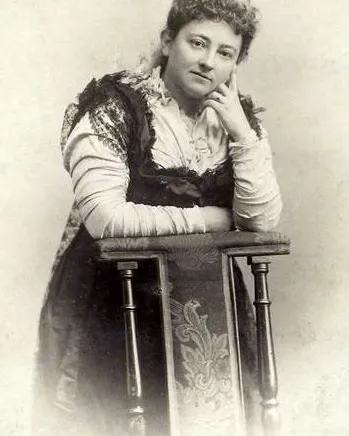
Olive Schreiner
South African novelist and political activist who wrote The Story of an African Farm in 1883, one of the first great feminist novels in English. She spent her life fighting for women's rights, opposing racism and the Boer War, and insisting that the world she lived in was unjust. Over a century before second-wave feminism, she was already asking the same questions.
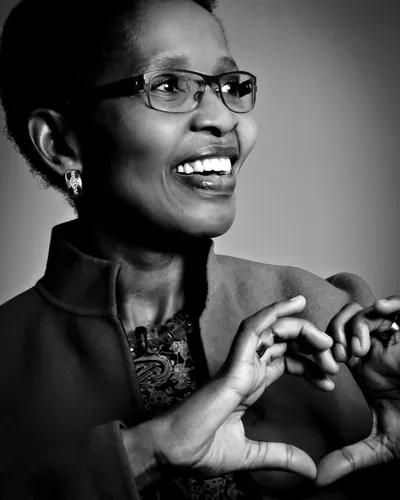
ContemporaryPhumzile Mlambo-Ngcuka
South African politician and activist who became the first female Deputy President of South Africa (2005–2008) and served as Executive Director of UN Women (2013–2021). She has championed the Generation Equality Forum and the global women's rights agenda.
 Modern
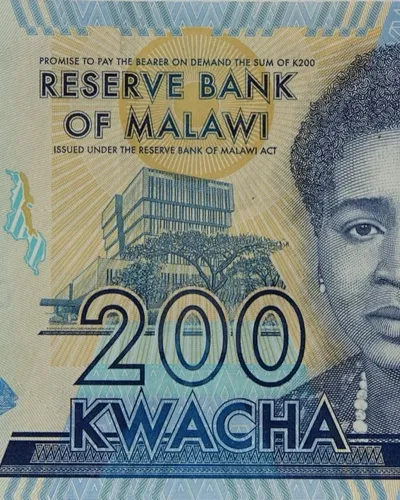
Pumla Gobodo-Madikizela
South African psychologist and author. Served on the Truth and Reconciliation Commission; wrote A Human Being Died That Night on trauma and forgiveness; research professor.
 Independence
Rose Chibambo
Malawian independence activist and politician who was a founding leader of the Malawi Congress Party, mobilising women across the country in the fight against British colonial rule.
 Colonial
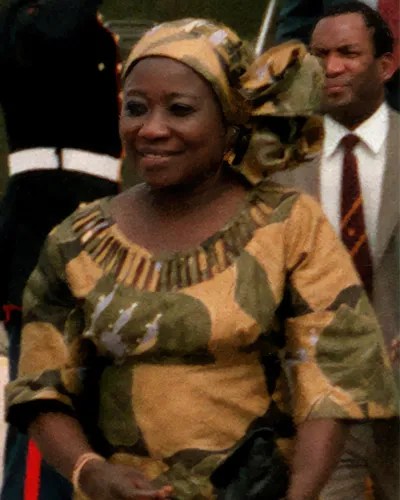
Ruth First
Anti-apartheid activist, journalist, and scholar. Exposed apartheid brutality through writing; assassinated by letter bomb in Mozambique in 1982.
 Independence
Sally Mugabe
First wife of Robert Mugabe; teacher and activist who supported the liberation struggle from exile. First Lady of Zimbabwe (1980–1992); advocated for refugees and education.
 Modern
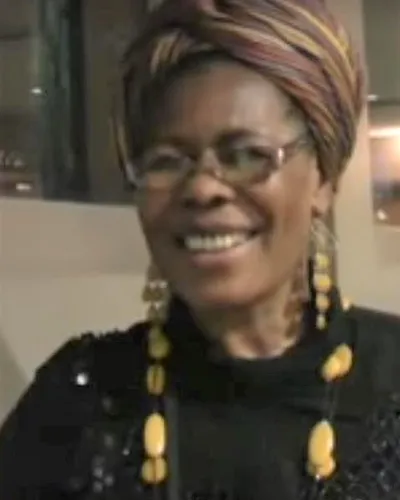
Stella Chiweshe
Zimbabwe's 'Queen of Mbira', who defied a sacred male-only taboo and colonial bans to master the mbira dzavadzimu, scored a gold record with her debut single, and carried Shona spiritual music onto the world's stages.
 Contemporary
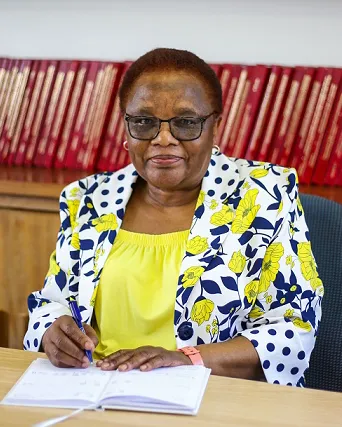
Tebello Nyokong
Lesotho-born South African chemist, a shepherd girl who became a Fellow of the Royal Society, whose light-activated cancer therapy research aims to give Africa a gentler, cheaper alternative to chemotherapy.
 Contemporary
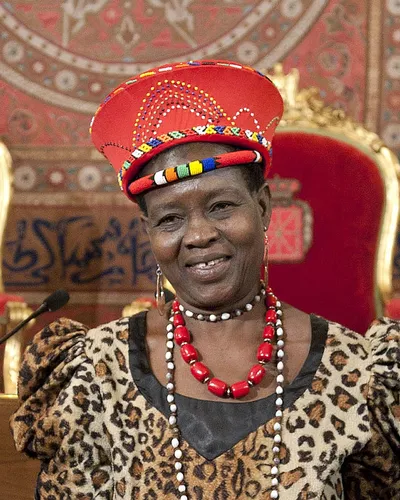
Theresa Kachindamoto
Malawian paramount chief who has annulled over 3,500 child marriages in her district, sending girls back to school and challenging deeply entrenched traditions that rob girls of their futures.
 Contemporary
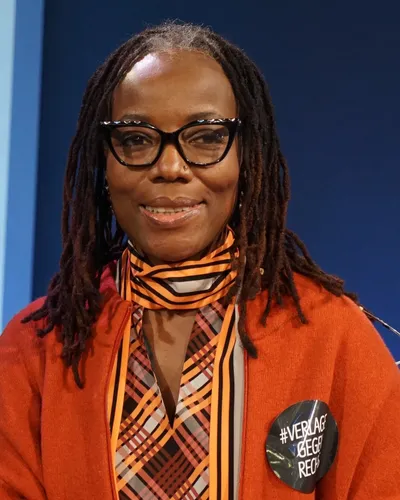
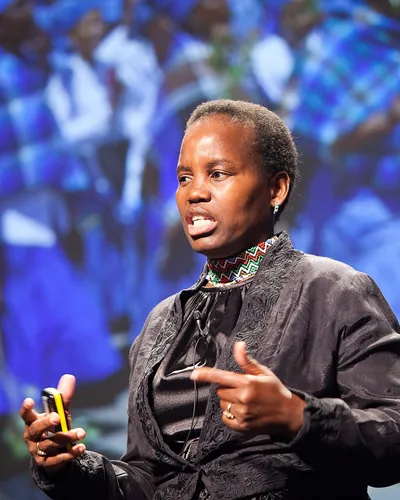
Tsitsi Dangarembga
Zimbabwean novelist and filmmaker whose debut, Nervous Conditions, became the first novel in English by a Black Zimbabwean woman. Arrested in 2020 for protesting government corruption.
 Contemporary
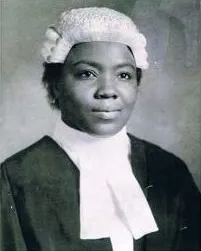
Unity Dow
Botswana lawyer who took her own government to court in the landmark Attorney General v Dow case, forced the rewriting of a citizenship law that treated women as lesser parents, and went on to become her country's first female High Court judge, a cabinet minister and a novelist.
 Independence
Vera Chirwa
Malawian lawyer and human rights activist. Co-founded the Malawi Congress Party; imprisoned for over a decade under Banda; later UN Special Rapporteur on prisons.
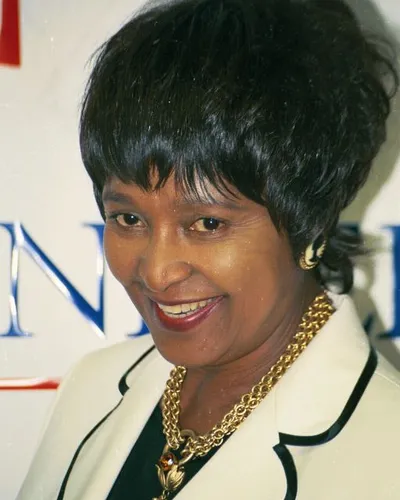
ModernVictoria Mxenge
South African lawyer and anti-apartheid activist who defended political prisoners during the apartheid era and was assassinated by apartheid government agents in 1985. Her husband had been murdered by the same forces four years earlier. She knew the danger and continued anyway.
 Modern
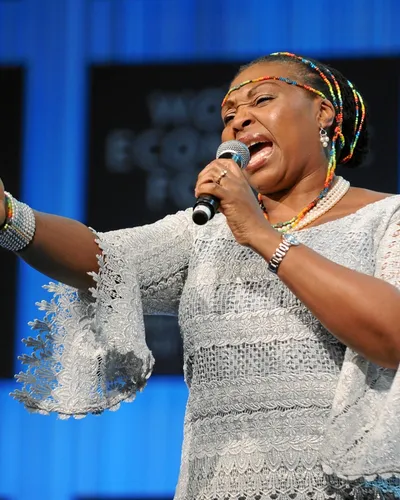
Winnie Madikizela-Mandela
South African anti-apartheid activist who kept resistance alive inside the country while Nelson Mandela was imprisoned for 27 years. Known as the 'Mother of the Nation.'
 Contemporary
Yvonne Chaka Chaka
South African singer crowned the 'Princess of Africa', whose anthems like 'Umqombothi' conquered the continent under apartheid and who transformed her fame into one of Africa's most powerful voices against malaria and HIV/AIDS.
 Contemporary
Zanele Muholi
South African visual activist whose portrait archives of Black lesbian and trans lives, and searing self-portrait series 'Somnyama Ngonyama', have filled the world's great museums and won photography's most prestigious prize.