Women of the Colonial Era
Colonial rule stripped many African women of the political and economic standing they had held for generations. They did not accept it. The women in this era organised tax revolts, led armed resistance, founded schools, and wrote the first newspapers that told the truth about occupation.
28 women from the Colonial era
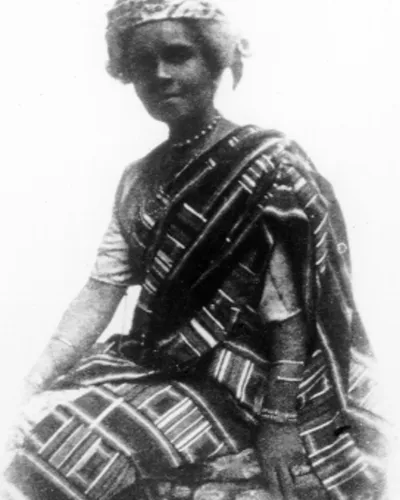 Colonial
Adelaide Casely-Hayford
Sierra Leonean educator, Pan-Africanist and women's rights advocate who founded a vocational school for girls at a time when girls' education was considered unnecessary. She spent decades teaching African women that their culture, identity and intelligence were things to be proud of, not erased.
 Colonial
Aline Sitoé Diatta
Diola spiritual leader in Casamance, Senegal, who led resistance against French colonial rice requisitions during World War II. Arrested and deported to Timbuktu, where she died at 24.
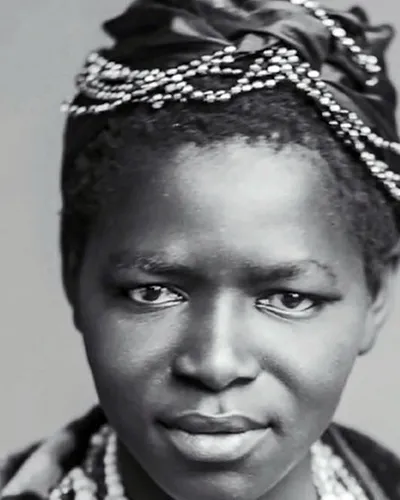 Colonial
Charlotte Maxeke
First Black South African woman to earn a university degree. Founded the Bantu Women's League and fought pass laws. Called the 'Mother of Black Freedom in South Africa'.
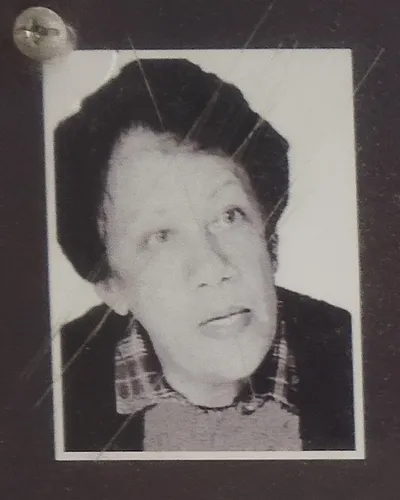 Colonial
Dulcie September
South African anti-apartheid activist. ANC representative in France; assassinated in Paris in 1988; symbol of the regime's reach and of international solidarity with the struggle.
 Colonial
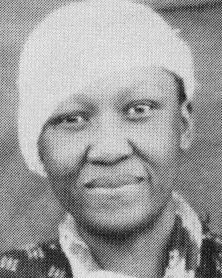
Ellen Kuzwayo
South African teacher, social worker, and activist. President of the Black Consumer Union; accused in the Treason Trial; author of Call Me Woman; champion of Black women's voices.
 Colonial
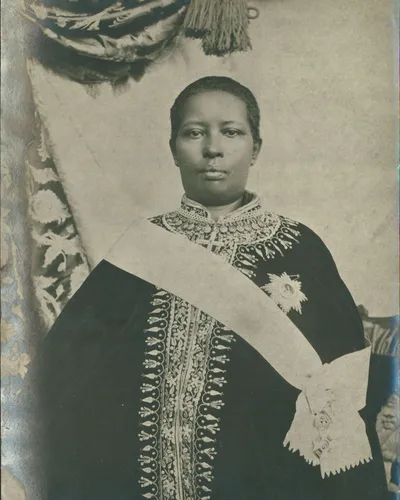
Empress Zewditu
Empress of Ethiopia from 1916 to 1930, the first woman to head an internationally recognised African state in modern history. She preserved Ethiopian sovereignty during the scramble for Africa.
 Colonial
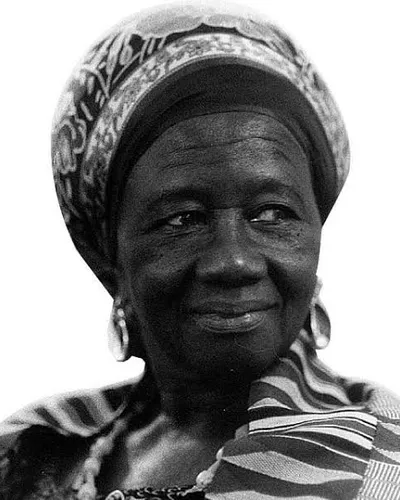
Esther Afua Ocloo
Ghanaian entrepreneur and pioneer of microfinance who co-founded Women's World Banking, dedicating her life to ensuring poor women had access to credit and economic opportunity.
 Colonial
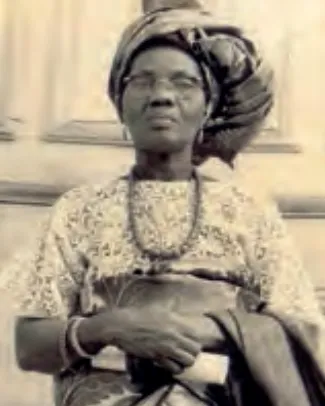
Funmilayo Ransome-Kuti
Nigerian activist who led the Abeokuta Women's Union, fought colonial taxation, and became the first woman to drive a car in Nigeria. Mother of Afrobeat legend Fela Kuti.
 Colonial
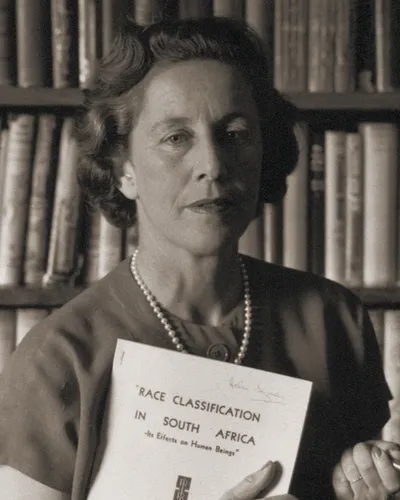
Helen Suzman
South African MP who was for 13 years the sole parliamentary voice against apartheid. Twice nominated for the Nobel Peace Prize; visited political prisoners including Mandela.
 Colonial
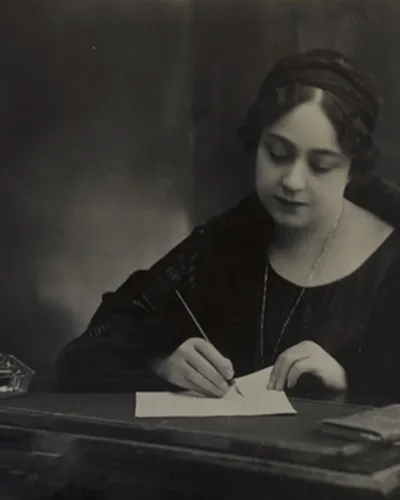
Huda Shaarawi
Pioneer Egyptian feminist and nationalist who founded the Egyptian Feminist Union. Famously removed her veil in public in 1923 and led the Arab women's rights movement.
 Colonial
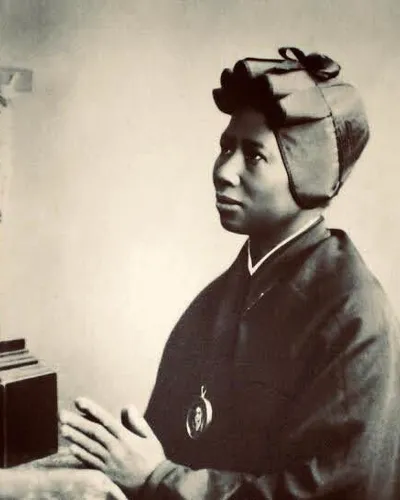
Josephine Bakhita
Kidnapped and enslaved as a child in Darfur, sold five times and scarred with 114 cuts, she won her freedom in an Italian courtroom in 1889 and is now the patron saint of survivors of human trafficking.
 Colonial
Josina Machel
Mozambican revolutionary and women's rights activist who organised women within FRELIMO's liberation struggle, creating social programmes for orphans and displaced women during the war for independence.
 Colonial
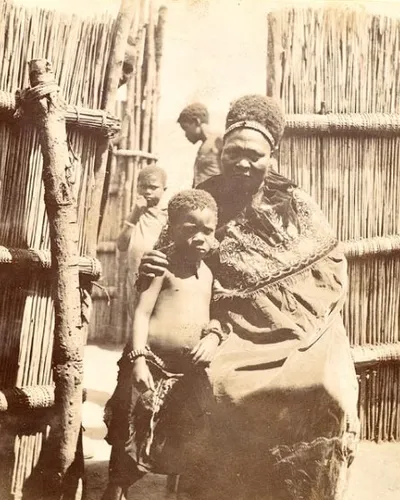
Labotsibeni Gwamile Mdluli
The formidable queen regent known as Gwamile, 'the indomitable', who ruled Swaziland through its harshest colonial decades, financed early Black South African nationalism, and preserved the monarchy for her grandson Sobhuza II.
 Colonial
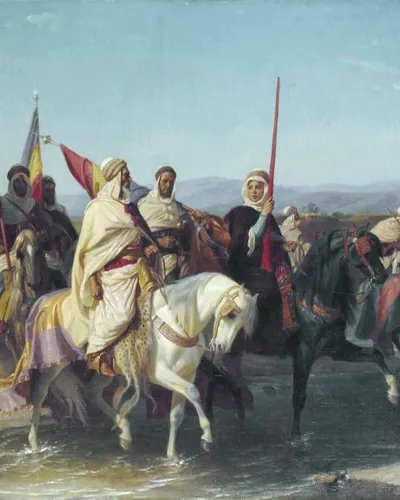
Lalla Fatma N'Soumer
Algerian resistance leader who commanded Kabyle forces against the French colonial invasion in the 1850s, becoming one of North Africa's most celebrated anti-colonial warriors.
 Colonial
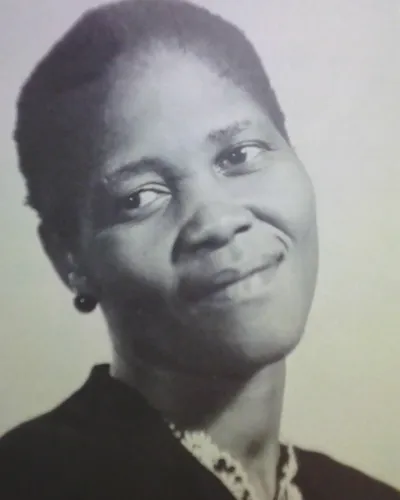
Lilian Ngoyi
Anti-apartheid leader who became the first woman elected to the ANC executive. Led the 1956 Women's March against pass laws and was tried in the Treason Trial.
 Colonial
Mabel Dove Danquah
Ghanaian journalist and satirist who, in 1954, became the first woman elected to any African legislative assembly, after two decades of skewering colonial power in the press under a rotation of witty pen names.
 Colonial
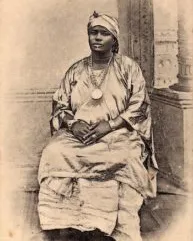
Madam Yoko
Mende leader who rose from celebrated Sande dancer to Paramount Chief of the Kpaa Mende Confederacy of fourteen chiefdoms, wielding the greatest political authority ever held by a woman in Sierra Leone up to her time.
 Colonial
Mekatilili wa Menza
Giriama leader who organised mass resistance against British colonial rule in coastal Kenya, using traditional oaths and dance to unite her people against forced labour and land seizure.
 Colonial
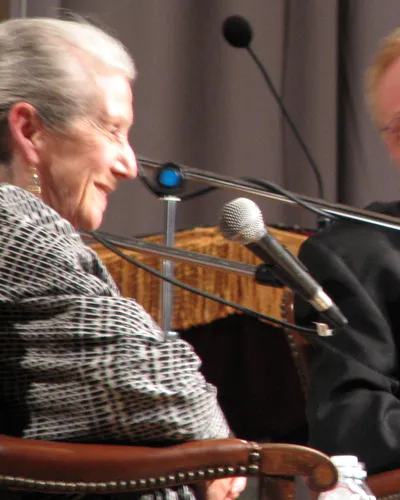
Nadine Gordimer
South African novelist and short-story writer. Nobel Prize in Literature (1991); used her work to oppose apartheid and to explore race, power, and moral responsibility.
 Colonial
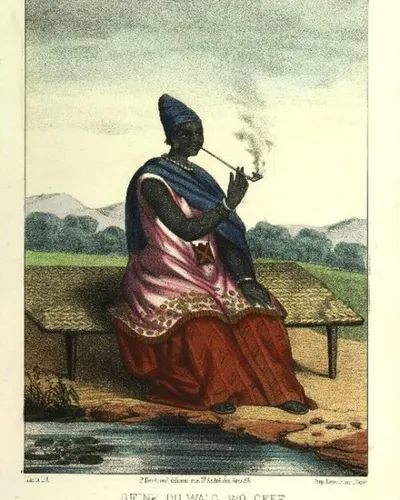
Ndaté Yalla Mbodj
The last great queen of Waalo in northern Senegal, who governed, taxed and went to war against French expansion in the 1850s. Defeated but never forgotten, she is one of Senegal's enduring symbols of resistance and female sovereignty.
 Colonial
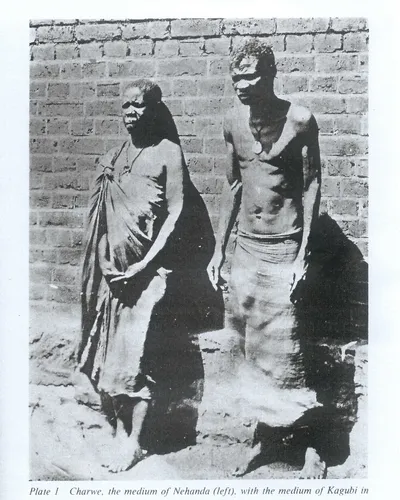
Nehanda Charwe Nyakasikana
Zimbabwean spirit medium and revolutionary leader who commanded the First Chimurenga uprising against British colonisation. Her last words, 'my bones will rise,' became the rallying cry of Zimbabwe's independence movement 80 years later.
 Colonial
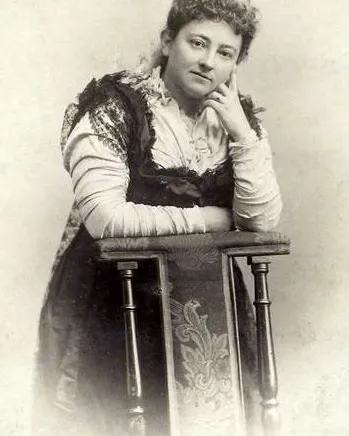
Olive Schreiner
South African novelist and political activist who wrote The Story of an African Farm in 1883, one of the first great feminist novels in English. She spent her life fighting for women's rights, opposing racism and the Boer War, and insisting that the world she lived in was unjust. Over a century before second-wave feminism, she was already asking the same questions.
 Colonial
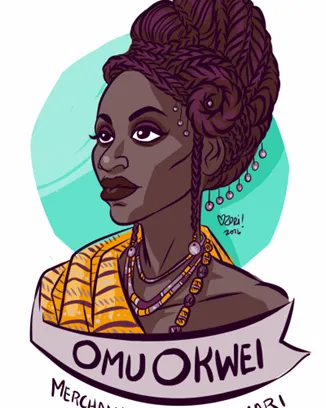
Omu Okwei
The 'Merchant Queen of Ossomari': an Igbo trading titan who rose from selling poultry to commanding 20,000 gallons of palm oil, a canoe fleet and vast Onitsha real estate, and was crowned Omu, the last queen of her people's women.
 Colonial
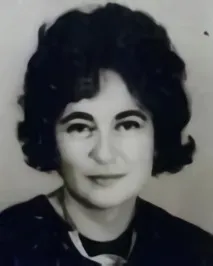
Ruth First
Anti-apartheid activist, journalist, and scholar. Exposed apartheid brutality through writing; assassinated by letter bomb in Mozambique in 1982.
 Colonial
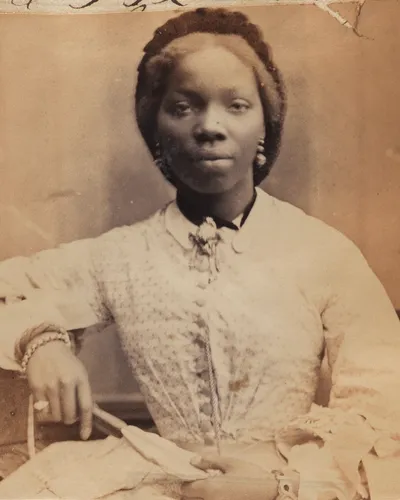
Sara Forbes Bonetta
Born Aina in Yorubaland around 1843, she was orphaned in the Dahomey slave raids, then given to Queen Victoria as a gift by King Ghezo of Dahomey. She became a remarkable figure in Victorian England, educated and cultured, yet always defined by her origins. Her life illuminates the complexity of African identity under colonialism.
ColonialSarraounia Mangou
Azna warrior-queen and priestess of Lougou who, in 1899, stood against one of the most violent French military columns ever sent into Africa and refused to surrender her people. Her defiance became a Nigerien legend and an award-winning film.
 Colonial
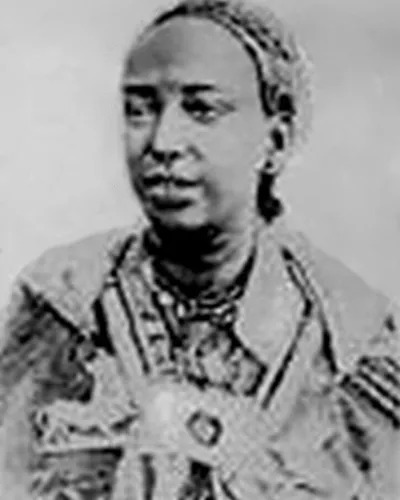
Taytu Betul
Empress of Ethiopia (1889–1913) who co-ruled with Menelik II. Key figure in the Battle of Adwa and in resisting Italian colonisation; founded Addis Ababa.
 Colonial
Yaa Asantewaa
Queen Mother of Ejisu who led the Ashanti army against British colonial forces in the War of the Golden Stool, one of the last major anti-colonial wars in West Africa, led by a woman.