African Women Who Fought for Pan-Africanism
10 women in the archive worked for pan-Africanism. They came from different countries and different centuries, but each of them saw a wrong that others accepted and set out to change it. Read their stories to see how the same cause looked from very different lives.
10 women in the archive
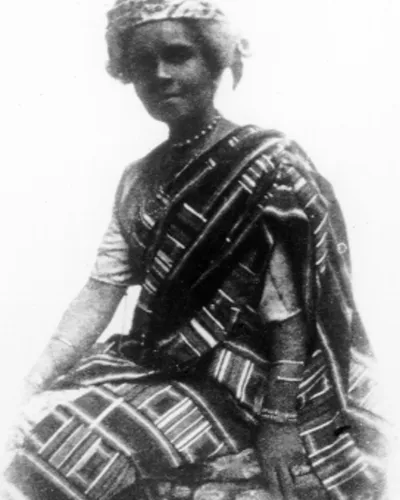 Colonial
Adelaide Casely-Hayford
Sierra Leonean educator, Pan-Africanist and women's rights advocate who founded a vocational school for girls at a time when girls' education was considered unnecessary. She spent decades teaching African women that their culture, identity and intelligence were things to be proud of, not erased.
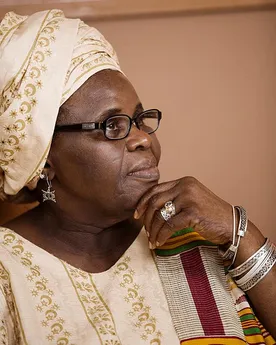 Modern
Ama Ata Aidoo
Ghanaian author, playwright, and poet who spent over five decades writing some of the most important African literature in the world. Her work put African women at the centre of the story at a time when they were almost always pushed to the edges. She also served as Ghana's Minister of Education.
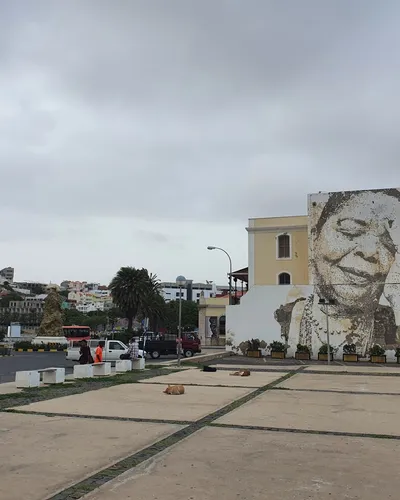 Modern
Cesária Évora
Cape Verdean singer known as the 'Barefoot Diva' who brought the melancholic morna music of Cape Verde to the world stage, becoming the most internationally acclaimed African lusophone artist of all time.
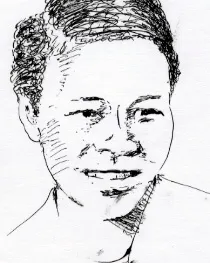 Independence
Deolinda Rodrigues
Angolan revolutionary, poet and translator who corresponded with Martin Luther King Jr., co-founded the MPLA's women's organisation, marched with the guerrilla Camy Squadron, and was captured and executed at 29. Angola marks Women's Day on the date of her capture.
 Modern
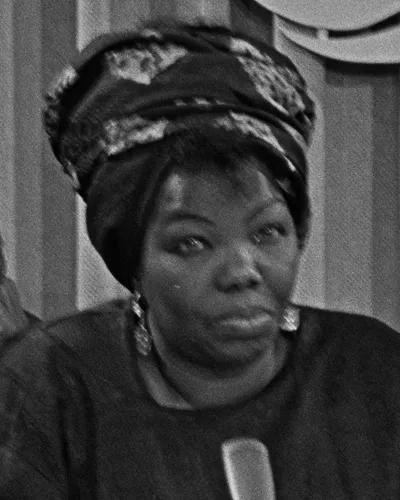
Efua Sutherland
Ghanaian playwright, director and educator who built Ghana's modern theatre tradition almost single-handedly. She founded the Ghana Drama Studio, created the first national children's theatre programme in Ghana and wrote plays that placed Ghanaian stories and oral traditions at the centre of African performance.
 Independence
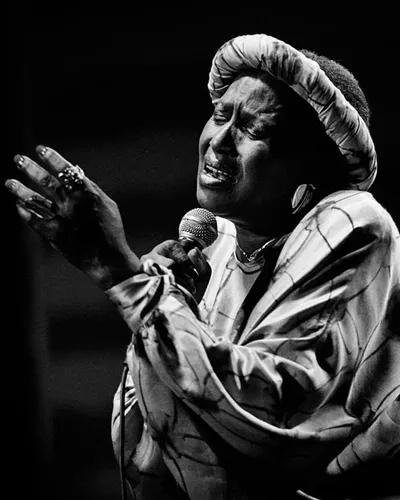
Jeanne Martin Cissé
Guinean teacher and diplomat who became the first woman ever to preside over the United Nations Security Council, took delivery of 100,000 petitions against apartheid, and served her country from the classroom to the cabinet until a coup swept it all away.
 Modern
Miriam Makeba
South African singer and activist known as 'Mama Africa' who used music as a weapon against apartheid, addressed the United Nations, and was exiled from her homeland for 31 years.
 Contemporary
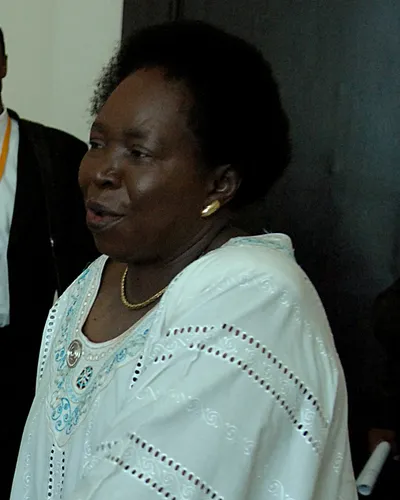
Nkosazana Dlamini-Zuma
South African politician and physician who served as the first woman Chairperson of the African Union Commission, having previously led South Africa's transformation of its healthcare system as Minister of Health.
 Colonial
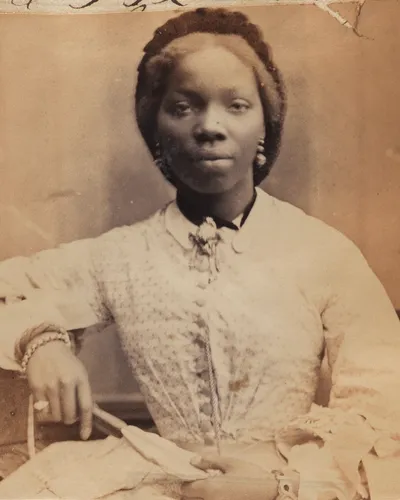
Sara Forbes Bonetta
Born Aina in Yorubaland around 1843, she was orphaned in the Dahomey slave raids, then given to Queen Victoria as a gift by King Ghezo of Dahomey. She became a remarkable figure in Victorian England, educated and cultured, yet always defined by her origins. Her life illuminates the complexity of African identity under colonialism.
 Modern
Umm Kulthum
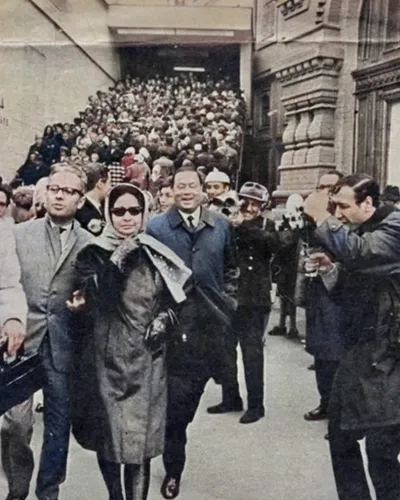
Egyptian singer known as the Star of the East and the most famous Arab singer of the 20th century. Born around 1898 in a small Delta village, she rose to become a cultural icon whose concerts lasted four to six hours. Her funeral in 1975 drew four million mourners, a crowd larger than that for Nasser.