African Women Who Led the Way
Being the first woman in the room is a lonely job. These women were the first to lead ministries, courts, universities, and countries, and they used the position to hold the door open for those who came after. Their stories show what leadership looks like when nobody has drawn the map for you.
28 women in the archive
 Pre-Colonial
Abla Pokou
Ashanti princess who led a breakaway people west across the Comoé River during an 18th-century succession war and founded the Baoulé, today one of Côte d'Ivoire's largest nations. Her legend of a mother's terrible sacrifice at the river is one of West Africa's most retold origin stories.
 Modern
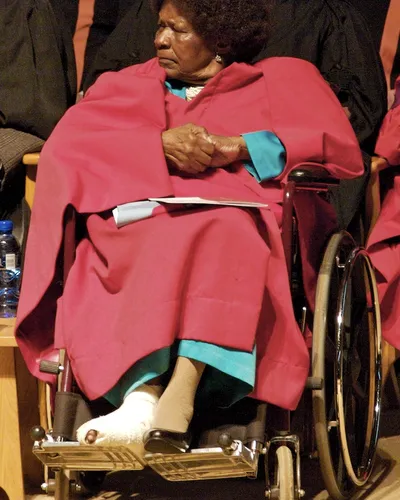
Albertina Sisulu
South African anti-apartheid activist and nurse who kept the resistance alive while her husband Walter Sisulu was imprisoned for 26 years alongside Nelson Mandela. She was banned, arrested, and surveilled for decades, and never stopped.
 Contemporary
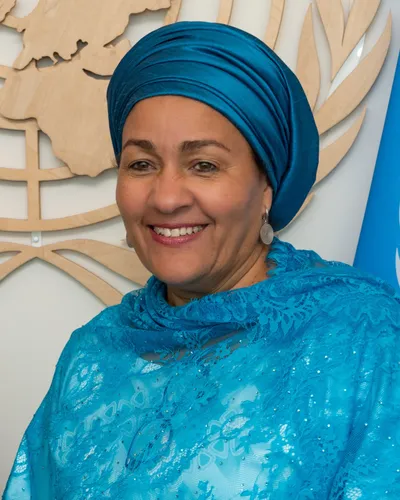
Amina J. Mohammed
Nigerian diplomat and UN Deputy Secretary-General since 2017. Formerly Nigeria's Minister of Environment. One of the chief architects of the United Nations' Sustainable Development Goals (SDGs), the global framework guiding international development until 2030. The highest-ranking Nigerian in the history of the United Nations.
 Modern
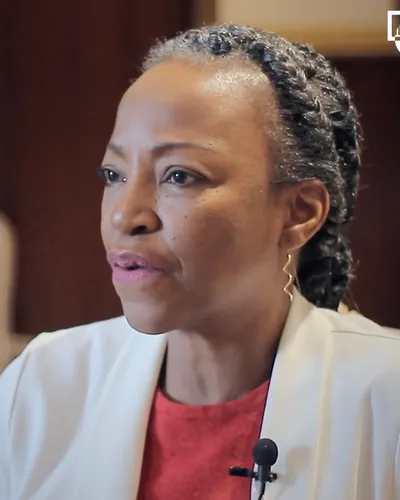
Ayo Obe
Nigerian lawyer and human rights activist; former President of the Civil Liberties Organisation. Advocate for rule of law, democracy, and civil liberties; prominent voice in Nigerian civil society.
 Modern
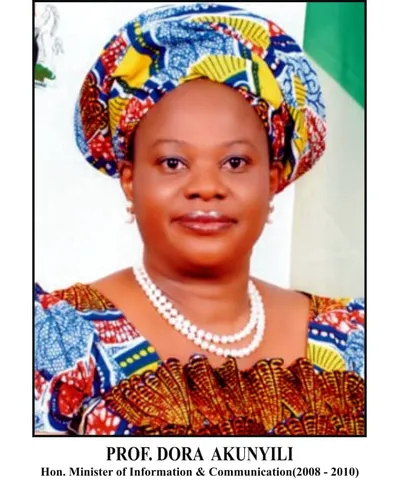
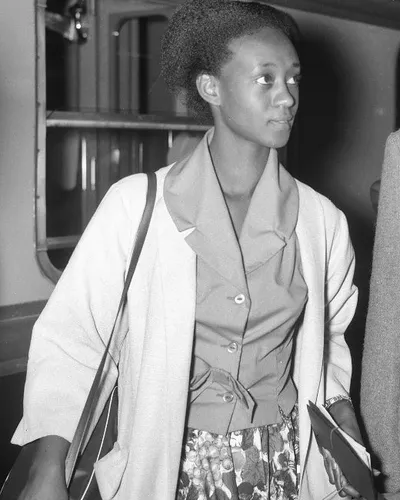
Dora Akunyili
NAFDAC Director-General who cut counterfeit drugs in Nigeria from roughly 70% to under 20%. Survived assassination attempts; later Minister of Information.
 Modern
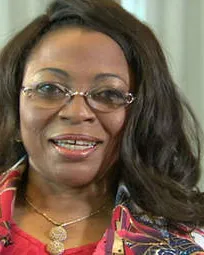
Elizabeth of Toro
Ugandan princess of Toro who became East Africa's first female barrister and one of the first Black supermodels, then served as Idi Amin's foreign minister until she defied him and had to flee for her life. She rebuilt herself as a respected ambassador.
 Contemporary
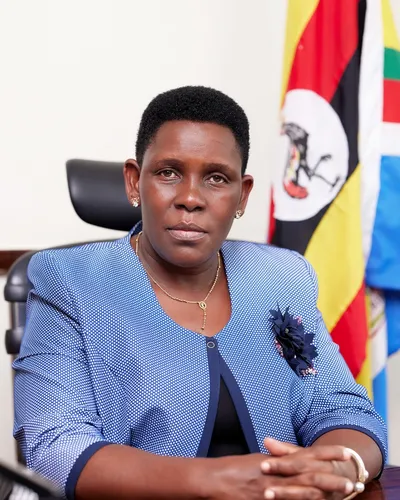
Folorunṣo Alakija
Nigerian businesswoman, philanthropist, and one of Africa's wealthiest women, who built a fashion empire before entering the oil industry, and now dedicates her wealth to education and poverty alleviation through the Rose of Sharon Foundation.
 Contemporary
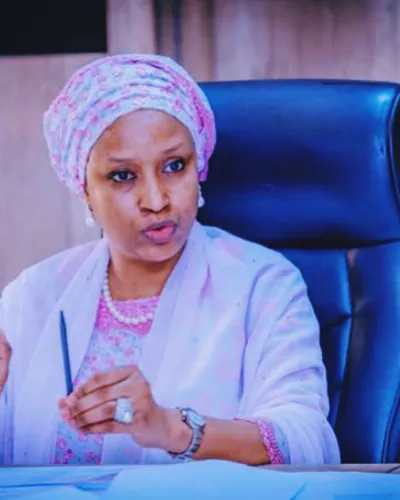
Grace Mary Mugasa
Ugandan politician and the first woman to serve as Mayor of Hoima, who guided the oil-rich municipality through its elevation to city status and later became a State Minister while championing gender equality and clean urban environments.
 Modern
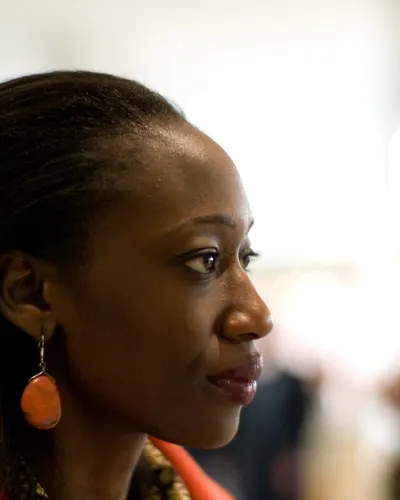
Hadiza Bala Usman
Nigerian activist and public servant; co-founder of Bring Back Our Girls and former MD of Nigerian Ports Authority. Advocate for accountability, transparency, and women in leadership.
 Modern
Hafsat Abiola
Human rights and democracy activist who founded the Kudirat Initiative for Democracy (KIND) in honour of her mother. Advocates for women's political leadership and civil society.
 Pre-Colonial
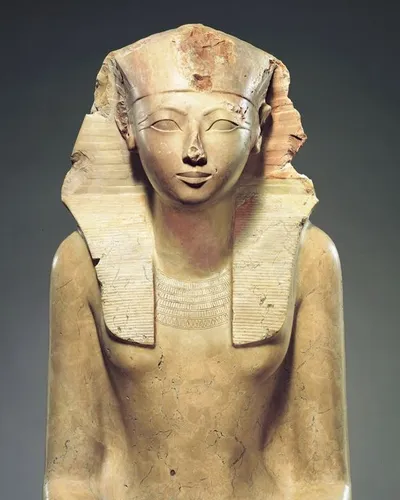
Hatshepsut
Ancient Egyptian pharaoh who ruled one of the most powerful empires in the world for over 20 years, around 3,500 years ago. She launched great trade expeditions, built some of Egypt's most magnificent monuments, and was so threatening to those who came after her that they tried to erase her from history entirely. They failed.
 Modern
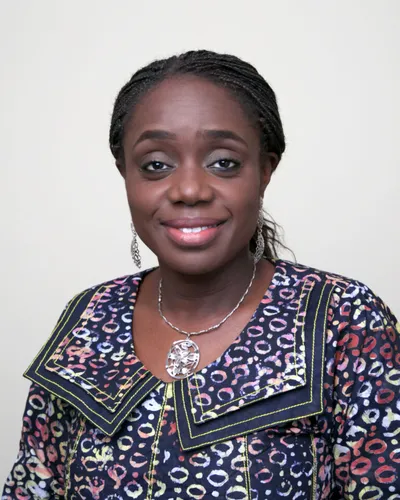
Kemi Adeosun
Nigerian accountant and former Minister of Finance. First female Minister of Finance in Nigeria's recent history; advocate for fiscal reform and women in finance.
 Colonial
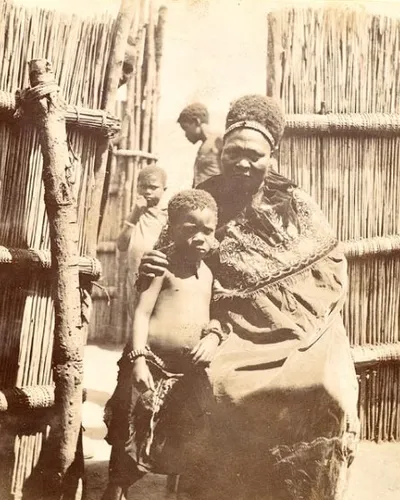
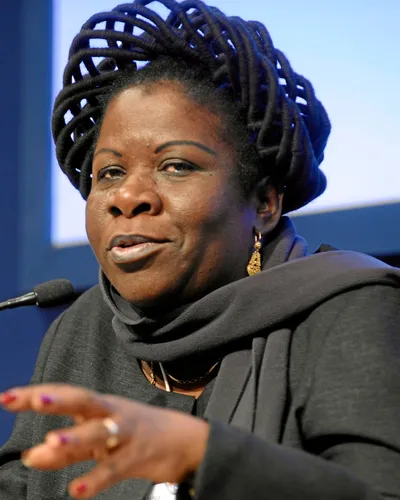
Labotsibeni Gwamile Mdluli
The formidable queen regent known as Gwamile, 'the indomitable', who ruled Swaziland through its harshest colonial decades, financed early Black South African nationalism, and preserved the monarchy for her grandson Sobhuza II.
 Modern
Luisa Diogo
Mozambique's first female Prime Minister (2004–2010). Economist who led post-war economic policy and debt relief; one of Africa's most prominent female heads of government.
 Contemporary
Mame Madior Boye
Career magistrate who broke Senegal's highest glass ceiling in 2001 as the country's first female Prime Minister, then carried her jurist's discipline to the African Union as envoy for the protection of civilians in armed conflict.
Pre-ColonialManthatisi
Warrior queen and regent of the Batlokwa who led tens of thousands through the upheaval of the Difaqane, becoming the most feared military leader in the southern African interior. Legend turned her into a one-eyed giant; history records a shrewd ruler who once bluffed an entire army into retreat.
ModernMaryam Uwais
Nigerian lawyer and advocate; Special Adviser to the President on Social Investments. Leading voice for children's rights, legal reform, and social protection in Nigeria.
IndependenceMuthoni Kirima
The only woman to reach the rank of Field Marshal in Kenya's Mau Mau uprising, who fought British colonial rule from the forests of Mount Kenya. She spent the rest of her life demanding that her country honour the freedom fighters it chose to forget.
 Colonial
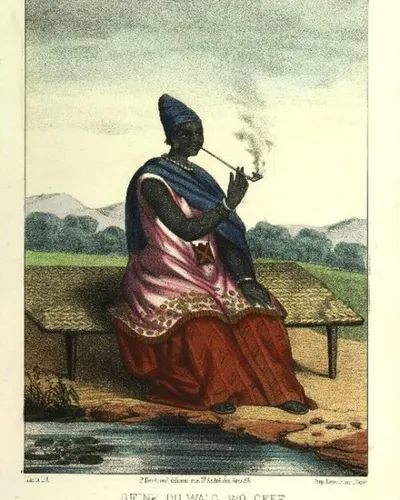
Ndaté Yalla Mbodj
The last great queen of Waalo in northern Senegal, who governed, taxed and went to war against French expansion in the 1850s. Defeated but never forgotten, she is one of Senegal's enduring symbols of resistance and female sovereignty.
 Modern
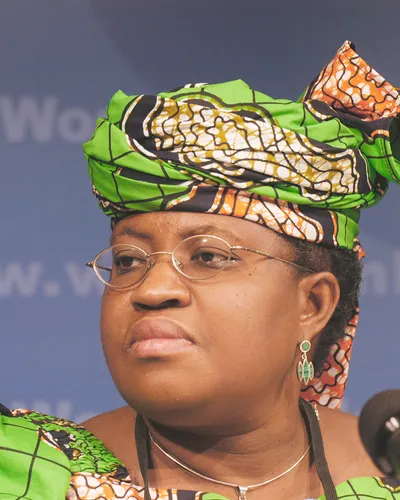
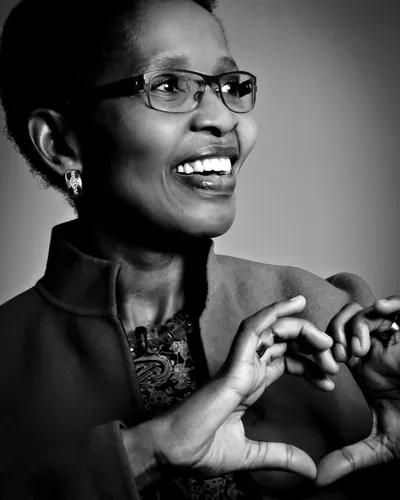
Ngozi Okonjo-Iweala
Nigerian-American economist who became the first woman and first African Director-General of the WTO. Former Nigerian Finance Minister and World Bank Managing Director.
 Modern
Pumla Gobodo-Madikizela
South African psychologist and author. Served on the Truth and Reconciliation Commission; wrote A Human Being Died That Night on trauma and forgiveness; research professor.
ContemporaryRose Lokissim
One of Chad's first female soldiers, who resisted the dictator Hissène Habré from inside his secret-police prisons, documenting atrocities until she was executed. Her defiance, recorded by her own torturers, later helped bring Habré to justice.
 Contemporary
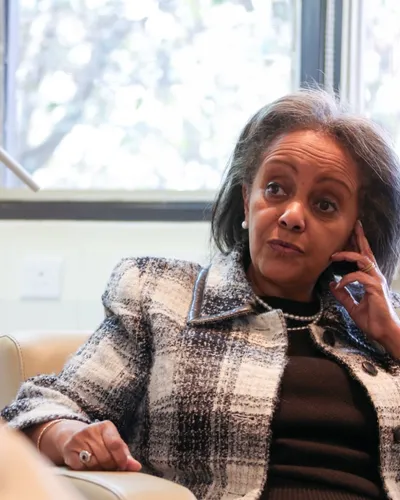
Sahle-Work Zewde
Ethiopia's first female president, elected in 2018. A career UN diplomat who served as Director-General of UNON in Nairobi, she brought decades of international experience to a role that, while ceremonial, carries enormous symbolic weight.
 Modern
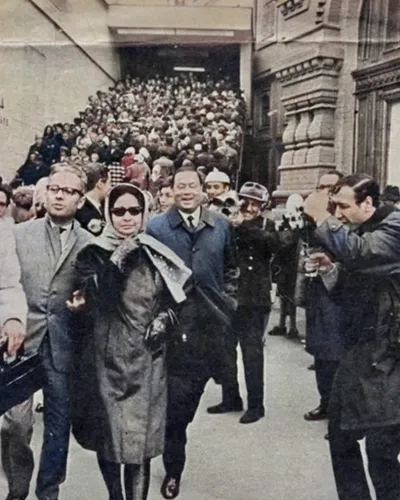
Umm Kulthum
Egyptian singer known as the Star of the East and the most famous Arab singer of the 20th century. Born around 1898 in a small Delta village, she rose to become a cultural icon whose concerts lasted four to six hours. Her funeral in 1975 drew four million mourners, a crowd larger than that for Nasser.
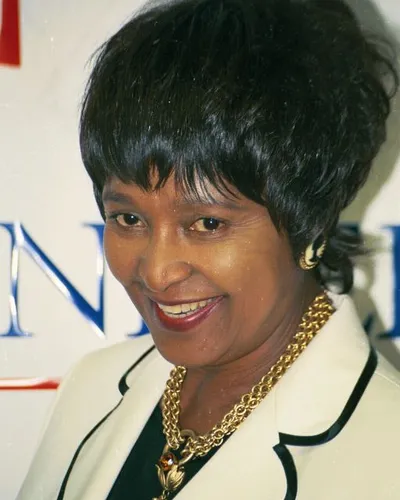
ModernVictoria Mxenge
South African lawyer and anti-apartheid activist who defended political prisoners during the apartheid era and was assassinated by apartheid government agents in 1985. Her husband had been murdered by the same forces four years earlier. She knew the danger and continued anyway.
 Modern
Winnie Madikizela-Mandela
South African anti-apartheid activist who kept resistance alive inside the country while Nelson Mandela was imprisoned for 27 years. Known as the 'Mother of the Nation.'
 Pre-Colonial
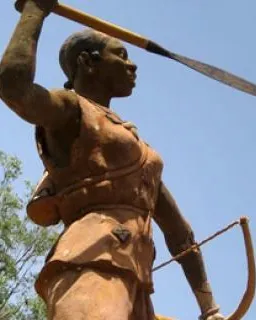
Yennenga
Legendary warrior princess remembered as the mother of the Mossi people of Burkina Faso. A horsewoman and soldier who refused the life mapped out for her, she rode into the wilderness and into the founding story of a nation.
 Modern
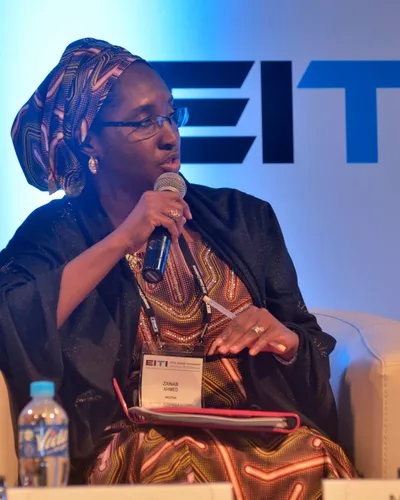
Zainab Ahmed
Nigerian economist and minister; served as Minister of Finance, Budget and National Planning. One of Nigeria's most senior female cabinet members; advocate for fiscal reform and women in policy.