African Women Who Defended Cultural Identity
5 women in the archive worked for cultural identity. They came from different countries and different centuries, but each of them saw a wrong that others accepted and set out to change it. Read their stories to see how the same cause looked from very different lives.
5 women in the archive
 Colonial
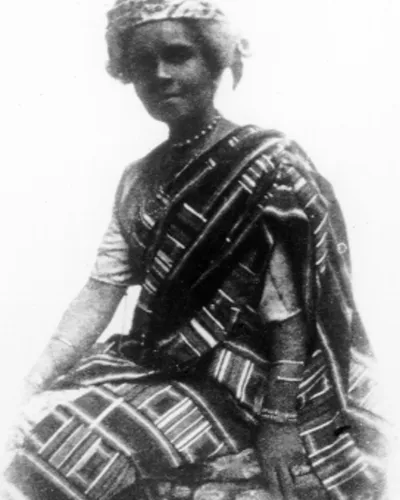
Adelaide Casely-Hayford
Sierra Leonean educator, Pan-Africanist and women's rights advocate who founded a vocational school for girls at a time when girls' education was considered unnecessary. She spent decades teaching African women that their culture, identity and intelligence were things to be proud of, not erased.
 Modern
Assia Djebar
Algerian novelist and filmmaker born Fatima-Zohra Imalayen in Cherchell. The first Algerian woman admitted to the Ecole Normale Superieure in Paris, she wrote about Algerian women's silenced histories, war, colonialism, and identity. Elected to the Academie Francaise in 2005.
ModernBrenda Fassie
South African pop icon known as 'MaBrrr' and the 'Madonna of the Townships.' Her hit 'Weekend Special' (1983) broke barriers as the first Black South African pop song to chart internationally. She was a voice of anti-apartheid resistance and lived openly in a conservative society.
 Colonial
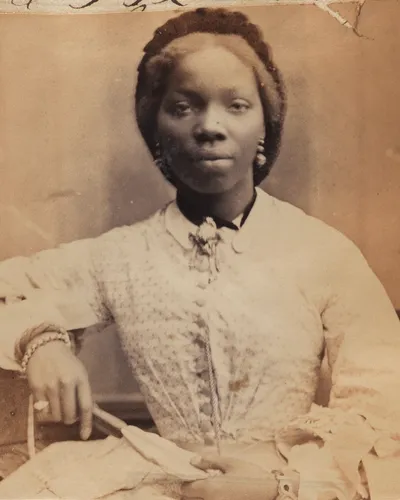
Sara Forbes Bonetta
Born Aina in Yorubaland around 1843, she was orphaned in the Dahomey slave raids, then given to Queen Victoria as a gift by King Ghezo of Dahomey. She became a remarkable figure in Victorian England, educated and cultured, yet always defined by her origins. Her life illuminates the complexity of African identity under colonialism.
 Modern
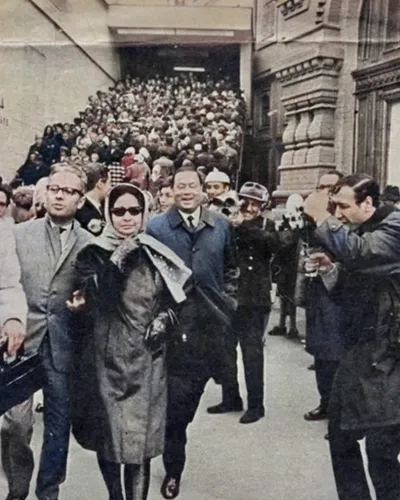
Umm Kulthum
Egyptian singer known as the Star of the East and the most famous Arab singer of the 20th century. Born around 1898 in a small Delta village, she rose to become a cultural icon whose concerts lasted four to six hours. Her funeral in 1975 drew four million mourners, a crowd larger than that for Nasser.